Blog 3 of 14
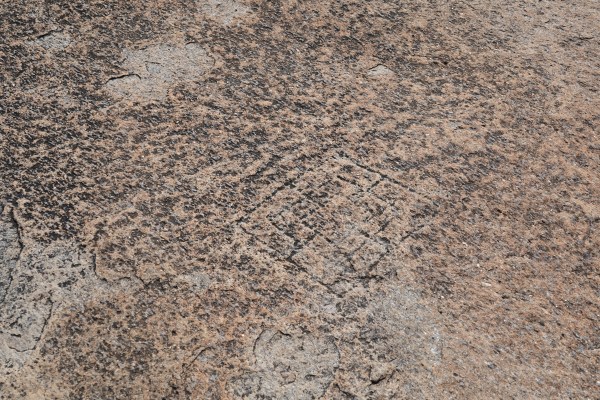
The image of three squares of decreasing size – one within another and connected by perpendicular lines is a common image in most temples around Tamilnadu. Interestingly, the details of the game seems to have faded from memory. However, in the Telugu heartland the game continues its reign of popularity. What could have caused the game to fade out? Was it changing fashions in games as much as in other aspects of life? One may never know the answers.
Yet this game is critical to India’s traditional gaming culture in many ways. Unlike most other strategy games, it is a game of alignment focussing on getting three-in-a-row. On the other hand, it is a complex game unlike its simpler cousins – the vast variety of alignment games from India. The game requires players to create multiple patterns of three-in-a-row while removing the opponents game piece each time.
What sets this apart from most other strategy games of this complexity is that it focusses on your own efforts rather than merely blocking or attacking the opponent. In a sense, your own success leads to the loss of the other player. In a sense it echoes the teachings of the Gita which encourages you to do your duty and not focus on the results – your duty in this case getting three-in-a-row. Yet, most of us are not evolved enough to ignore the fruits of our labour and for us souls, this game brings joy in the fact that if we do what we must do, the opponent or the obstacles in our way cease to exist.
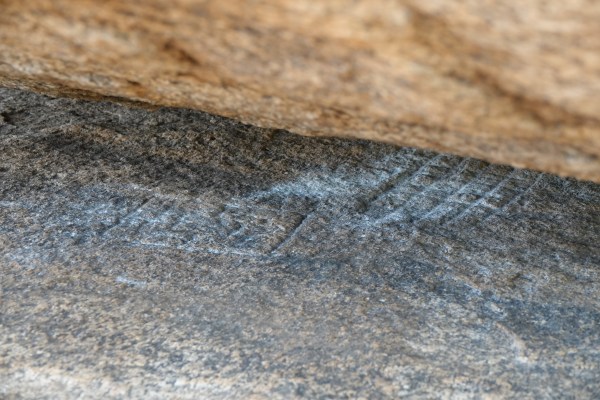
This exciting game is found inscribed in many places around Mahabalipuram, the location of the 44th Chess Olympiad, but perhaps the most interesting of all in the one found deep under the Butterball, a large granite rock standing on an incline. It seems unlikely that the game was engraved there on purpose. If one supposes that it was done before the ball reached this spot, it could put the antiquity of this game back over a thousand years or more.
India has numerous games of great antiquity that are rich in philosophy and fun. Learning these games is critical to preserving our cultural traditions through generations.


 Ripples Of Life and Time