Blog 13 of 14
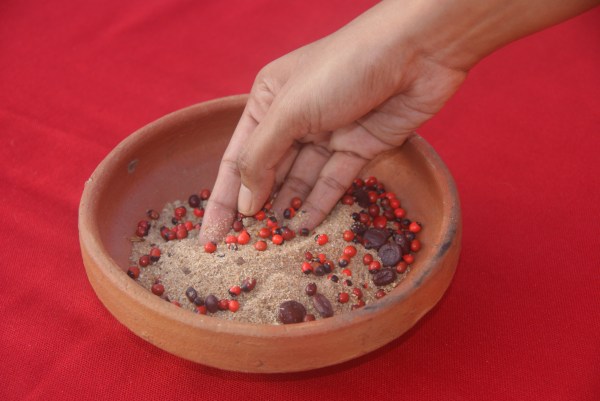
To guess is to estimate or conclude (something) without sufficient information to be sure of being correct. Life often puts us in positions where we do have to make a guess. At times like this while we may not have all the information, understanding as much as possible about the people and situation will make our guess more effective.
One of the exciting games played in India is called Othaiya Rettaiya – Odd or Even. The player conceals in his hand many small objects and the opponent has to guess if the number of objects is odd or even. All that you have to go on is the attitude or psychology of the opponent.
Interestingly this game seems to have been popular in may parts of the world for Edgar Allan Poe in his story The Purloined Letter has his detective C.Auguste Dupin talk about the game. Dupin finds a letter that has been hidden and baffles all the police detectives. He explains how an eight-year-old boy made a small fortune from his friends at a game called Odds and Evens. The boy had determined the intelligence of his opponents and played upon that to interpret their next move. Dupin uses the same tactics to guage where the letter has been hidden.
A similar game is played by hiding small objects or brightly coloured seeds in a pile of sand and having the opponent guess at it. While it is usually played with everyday objects, a short tale narrates how Rama and Sita played this while exiled in the forest. When Lakshmana is shown Sita’s earrings, he does not recognise them and says I never saw her face only her feet as a gesture of respect. He however recognises her ring and narrates how she and Rama used to play by hiding it in the ground.
In the light of the Chess Olympiad and the intense strategic thinking it demands, guessing games may be considered frivolous and silly. But that’s the thing about India’s gaming tradition – there is something for everyone and every aspect matters – including human psychology.


 Ripples Of Life and Time