I always have trouble pinpointing when it all began. I don’t think it is as clear cut as the word makes it out to be. The word “began” seems to suggest that nothing related happened before that. But that’s not true, is it? Things do happen before. Things tend to flow one into another.
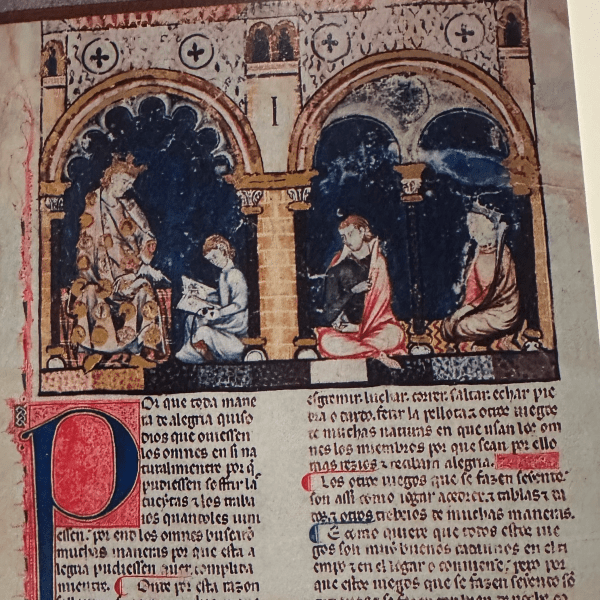
But I digress. I think it all began almost fifteen years ago when I was doing some research on traditional games and did an internet search. Google threw up a link to the Book of Games commissioned by Alfonso X of Castille in 1283.
I was unable to believe my eyes. The words seemed to almost quiver with excitement on my computer screen. To find a book on games was, in my mind, almost equivalent to finding buried treasure. Imagine how my excitement peaked when I realised that an English translation was available – complete with pictures.
I clicked on the link and greedily skimmed the manuscript. The first was a quote:
“Because God wanted that man have every manner of happiness, in himself naturally, so that
he could suffer the cares and troubles when they came to them, therefore men sought out many
ways that they could have this happiness completely.
Wherefore they found and made many types of play and pieces with which to delight
themselves.“
It was a wonderful quote truly emphasising the importance of traditional games. It was a quote I would use frequently in the years to come.
The second element that caught my eye was an image of the of Nine Men’s Morris. This was identical to the game of Dahdi or Nav Kankari that was played in India. I was no historian, merely someone who was passionate about reviving traditional games. I could not understand how the same game could have ben played in two countries separated by almost 8000 miles.
This discovery started me on a journey to understand not just our traditional games but understand what I could about their history, antecedents and origin.

 Ripples Of Life and Time